


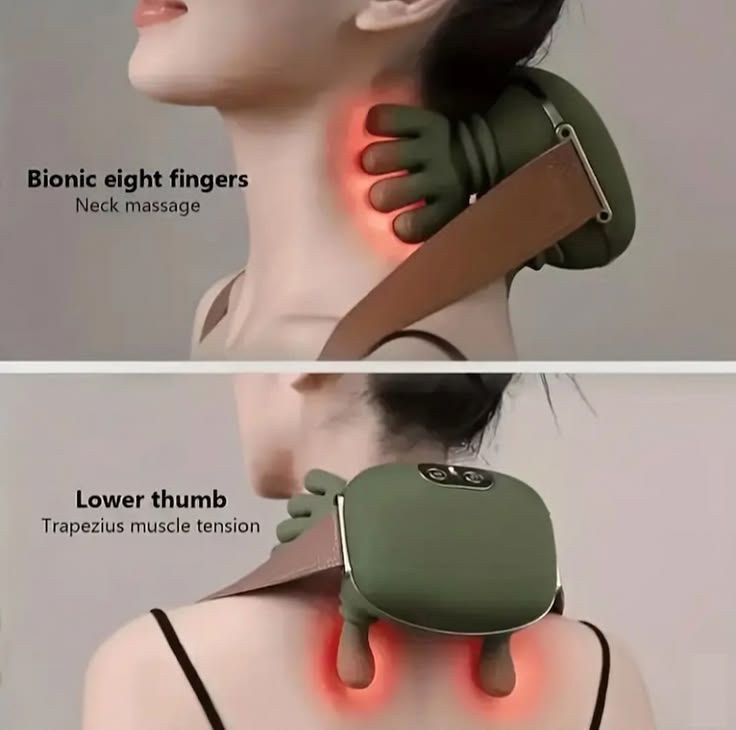
Office stress is not just a mental experience—it is a full-body response. Long hours at a desk, constant screen exposure, tight deadlines, and sustained concentration often lead to physical tension in the neck and shoulders. Over time, this tension becomes a background condition that quietly reduces focus, energy, and productivity.
A wearable Neck and Shoulder Massager offers a practical way to interrupt this cycle. By targeting the muscles most affected by desk work, it helps the body reset quickly, allowing professionals to return to tasks with improved comfort and clarity.
How Office Stress Builds in the Body
Stress in a work environment rarely stays isolated in the mind. The body responds automatically, especially in areas responsible for posture and stability.
Muscle Tension as a Stress Response
When under pressure, the body activates a protective mechanism that tightens muscles. The shoulders are particularly prone to this response, often becoming elevated or rigid without conscious awareness.
The Desk Work Effect
Prolonged sitting reinforces this tension because:
- The neck remains in a forward position
- Shoulders are slightly raised or rounded
- Movement is limited for long periods
This combination leads to stiffness and fatigue by the end of the day.
Why Shoulder Tension Reduces Productivity
Physical discomfort has a direct impact on cognitive performance.
Reduced Focus
When muscles are tight, the brain continues to register discomfort in the background. This reduces the ability to concentrate fully on tasks.
Increased Fatigue
Muscles under constant tension consume more energy, leading to quicker mental and physical exhaustion.
Lower Work Efficiency
Discomfort often leads to more breaks, slower task completion, and reduced workflow consistency.
How a Wearable Shoulder Massager Helps
Wearable shoulder massagers are designed to provide hands-free relief while users continue with light activities or rest. Their impact goes beyond temporary relaxation.
1. Targeted Muscle Release
These devices focus on key stress zones, especially:
- Upper trapezius muscles
- Neck base and cervical region
- Shoulder junction points
By applying controlled kneading pressure, they help release accumulated tightness.
2. Improved Blood Circulation
Massage stimulation increases local blood flow, which helps deliver oxygen to tired muscles and reduce stiffness caused by long periods of inactivity.
3. Heat-Assisted Relaxation
Many wearable massagers include heat therapy, which softens muscle fibers and enhances the effect of kneading. Warm muscles respond more easily to pressure, speeding up relief.
4. Hands-Free Convenience
One of the biggest advantages is usability during short breaks without interrupting workflow entirely.
How Relaxed Muscles Improve Productivity
Physical comfort directly influences how effectively the brain functions.
Better Focus and Clarity
When muscle tension is reduced, the brain no longer processes constant discomfort signals, allowing improved concentration.
Increased Energy Levels
Relaxed muscles require less energy to maintain posture, reducing overall fatigue.
Faster Recovery Between Tasks
Short massage sessions help reset the body between work blocks, improving consistency throughout the day.
The Role of Micro-Breaks in Office Wellness
Wearable shoulder massagers work best when integrated into short recovery periods.
10–15 Minute Resets
Short sessions during breaks can:
- Reduce accumulated stiffness
- Restore comfort in the upper body
- Improve readiness for the next task
Preventing Tension Buildup
Instead of waiting for end-of-day fatigue, frequent short sessions prevent discomfort from escalating.
Key Features That Support Office Use
Not all shoulder massagers are equally suited for workplace environments.
1. Quiet Operation
Low-noise designs ensure minimal disruption in shared spaces.
2. Adjustable Intensity
Different workdays produce different levels of tension. Adjustable settings allow users to match intensity to their needs.
3. Ergonomic Fit
A well-contoured design ensures stable positioning during use, especially while seated.
4. Heat Control Options
Moderate heat settings help maintain comfort during repeated daily use.
How to Use a Shoulder Massager During Workdays
Proper use ensures better results without interfering with productivity.
During Breaks
Short sessions between tasks help reset muscle tension and improve focus.
After Long Meetings
Use after extended sitting to release accumulated shoulder stiffness.
End of Workday Recovery
A longer session at the end of the day helps transition from work mode to rest mode.
Common Mistakes to Avoid
Even effective tools can be underused or misused.
Using It Only When Pain Becomes Severe
Early intervention is more effective than waiting for discomfort to build up.
Overusing High Intensity
Too much pressure during already tense conditions may cause temporary discomfort.
Ignoring Workstation Setup
Massage helps relieve symptoms, but posture and ergonomics address the root cause.
Combining Massage With Better Work Habits
Wearable massagers are most effective when paired with supportive routines.
Ergonomic Adjustments
- Proper monitor height
- Supportive chair alignment
- Relaxed shoulder positioning
Movement Breaks
Standing or stretching every 30–60 minutes helps prevent stiffness.
Stress Management Techniques
Deep breathing and short mental breaks help reduce muscle guarding.
Why Consistency Matters More Than Duration
Short, regular use is more effective than occasional long sessions. Consistency helps:
- Maintain lower baseline tension
- Improve muscle responsiveness
- Reduce daily accumulation of stiffness
When a Wearable Shoulder Massager Is Most Valuable
This type of device is especially helpful for:
- Desk workers with long screen hours
- Professionals in high-pressure roles
- Individuals with recurring shoulder tightness
- People who struggle with midday fatigue
Final Thoughts
Office stress is not only a mental challenge—it is a physical one that builds in the muscles over time. A wearable shoulder massager offers a practical way to interrupt this cycle by releasing tension where it most commonly accumulates.
When used consistently and combined with good posture habits and short breaks, it can significantly improve comfort, reduce fatigue, and support better productivity throughout the workday. In this way, relaxation becomes not a distraction from work, but a tool that helps sustain it.
