


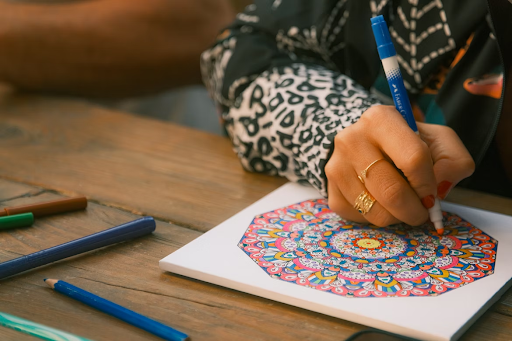
Creativity is more than just a skill for artists, writers, or musicians—it is a vital part of human expression that has a profound impact on mental well-being. Engaging in creative activities allows individuals to process emotions, reduce stress, and experience a sense of accomplishment. Whether it’s writing poetry, painting, or even exploring digital forms of creativity, these activities can provide a mental and emotional outlet that promotes overall wellness.
In today’s fast-paced world, where stress and anxiety are increasingly common, finding ways to nurture the mind and maintain balance is essential. Creativity serves as a powerful tool, helping people to channel emotions, reflect on experiences, and foster a sense of purpose.
Emotional Expression Through Creativity
One of the most significant ways creativity enhances mental well-being is by providing a medium for emotional expression. Creative activities allow people to externalize feelings that may be difficult to articulate verbally. Writing a poem, sketching a scene, or composing music gives emotions a tangible form, which can be both cathartic and illuminating.
By expressing emotions through creative outlets, individuals often gain perspective on their thoughts and feelings. This process not only reduces emotional stress but also helps develop emotional intelligence, allowing for healthier coping strategies in daily life.
Stress Reduction and Mindfulness
Engaging in creative work encourages a state of mindfulness, where individuals focus fully on the activity at hand. This immersion can lead to a reduction in stress, as it shifts attention away from worries and negative thought patterns. Mindful creative practice allows the brain to rest from constant analysis and problem-solving, promoting relaxation and mental clarity.
Even brief periods of creative engagement can have measurable benefits. Studies have shown that participating in creative activities can lower cortisol levels, improve mood, and foster a sense of calm. The act of creating becomes a form of meditation, where the process itself is more important than the outcome.
Building Confidence and Self-Efficacy
Completing a creative project, no matter how small, generates a sense of achievement. This boosts confidence and reinforces the belief in one’s abilities, which is critical for mental well-being. When individuals see tangible results from their creativity, it validates effort and encourages continued engagement in activities that nurture the mind.
Over time, the consistent practice of creative activities can develop a growth mindset. Individuals become more willing to experiment, take risks, and view challenges as opportunities rather than obstacles—traits that positively impact both personal and professional life.
Social Connection Through Creativity
Creativity also fosters social interaction and connection. Sharing artwork, poetry, or other creative outputs with others builds community, encourages feedback, and creates a sense of belonging. Collaborative creative projects, workshops, or online communities allow people to bond over shared interests, reducing feelings of isolation and supporting mental health.
Even online platforms and digital experiences can provide this social benefit. Engaging with communities centered around creative pursuits allows for connection across distances, proving that creativity is not just a solitary activity—it can be a bridge between individuals.
The Role of Engaging Systems and Gamification
Interestingly, the principles behind creative engagement often overlap with game design. Activities that incorporate progression, reward, and challenge—similar to those found in entertainment systems like progressive slots—can enhance motivation and engagement in creative practice. While progressive slots are primarily a form of gaming, the concept of incremental rewards, anticipation, and achievement mirrors how people experience satisfaction when creating something over time.
For example, a writer completing sections of a story or a painter finishing layers of a canvas experiences a similar sense of progression and accomplishment. The anticipation of seeing the final piece come together engages the brain in a rewarding loop, much like how players respond to cumulative rewards in certain game mechanics. This parallel highlights how structure, feedback, and milestones can strengthen the mental benefits of creativity.
Creativity as a Coping Mechanism
For many, creativity is a crucial coping mechanism during difficult times. Expressive arts allow individuals to process trauma, navigate complex emotions, and find hope. The act of creating provides a sense of control and agency, reminding individuals that they can shape their environment and experiences, even when external circumstances feel overwhelming.
This coping function reinforces resilience. Regular engagement in creative pursuits equips people with tools to handle stress, regulate emotions, and maintain mental balance. Over time, these habits can lead to lasting improvements in wellbeing, making creativity both a preventative and restorative practice.
Conclusion
The connection between creativity and mental well-being is profound and multifaceted. Through emotional expression, stress reduction, confidence building, social interaction, and structured engagement similar to progressive rewards, creative activities provide significant benefits for the mind and spirit.
Incorporating creativity into daily life doesn’t require professional skill or formal training—simply making space for artistic exploration can enhance mood, foster reflection, and strengthen resilience. From writing poetry to experimenting with digital creation, every act of creativity nurtures mental health and encourages a deeper connection to oneself and others.
Ultimately, creativity is not just a hobby—it is a vital tool for emotional regulation, personal growth, and well-being. By embracing creative expression, individuals can find balance, joy, and fulfillment in an increasingly fast-paced world.
