


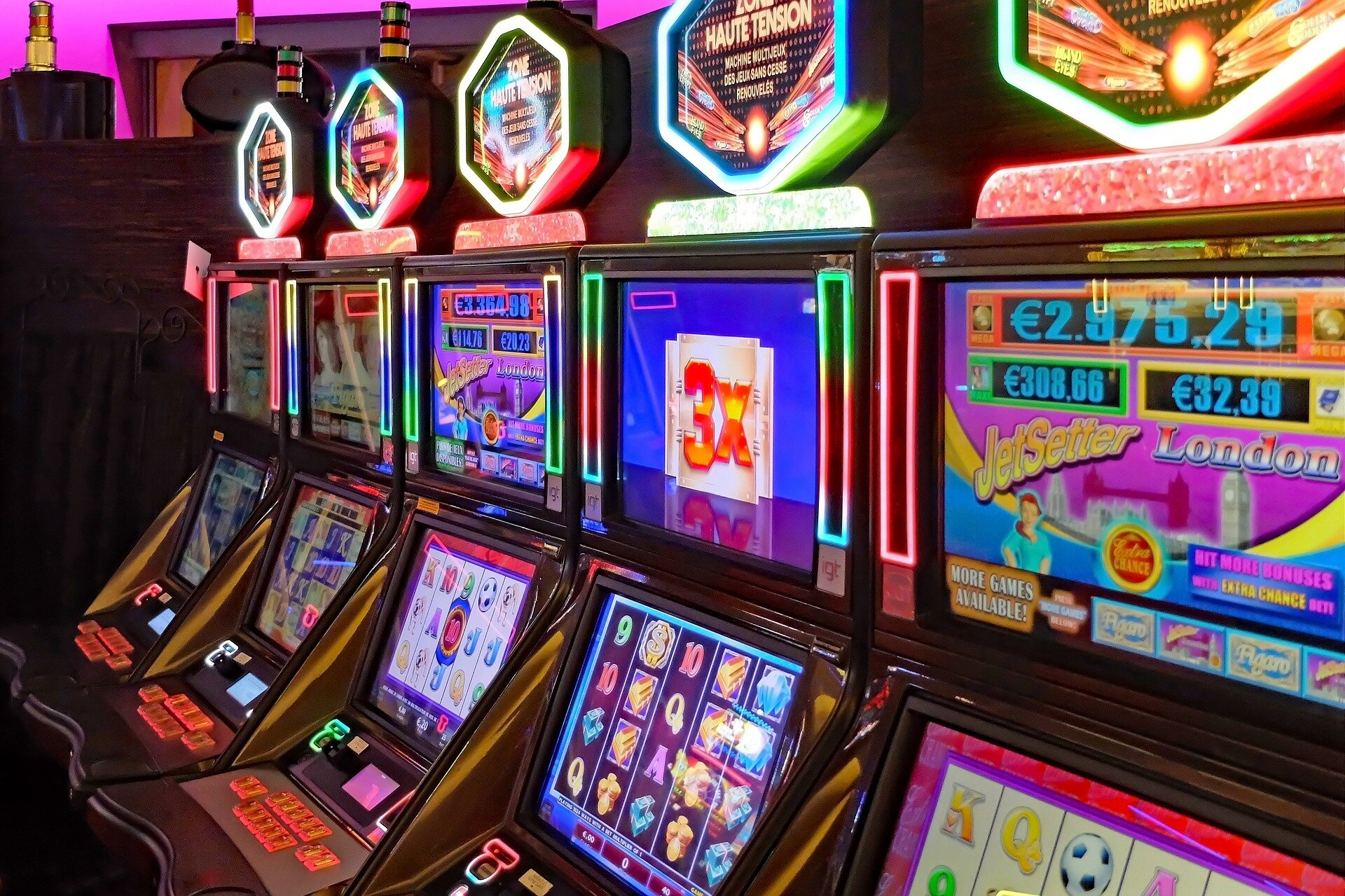
Behind every flashing slot machine, spinning roulette wheel, and bustling blackjack table lies a sophisticated mathematical framework that keeps modern casinos operating. While many visitors are drawn by the excitement of games and the possibility of winning, online casino sites in uae rely on carefully calculated probabilities, statistical models, and operational planning to balance entertainment with long-term financial sustainability.
Contrary to popular belief, casinos do not depend on individual players losing or winning. Instead, they rely on mathematical principles that play out over thousands—or even millions—of game rounds. Understanding this balance provides fascinating insight into how casinos manage risk while delivering exciting experiences for guests.
The Foundation of Casino Mathematics
Every casino game is built on probability.
Whether it’s blackjack, baccarat, roulette, craps, or slot machines, each game follows mathematical rules that determine the likelihood of every possible outcome.
These probabilities allow casinos to estimate:
- Expected revenue
- Payout percentages
- Long-term profitability
- Operational risk
- Game performance
While short-term results may vary significantly, the mathematics behind each game remains consistent over time.
Understanding the House Edge
One of the most important concepts in casino gaming is the house edge.
The house edge is the statistical advantage that a casino holds over the long run. It represents the average percentage of each wager that the casino expects to retain over many rounds of play.
For example:
- A lower house edge generally means more favorable odds for players.
- A higher house edge increases the casino’s long-term expected return.
It’s important to remember that the house edge applies over many games—not individual sessions. A player can certainly win during a visit, but over a very large number of plays, outcomes tend to align more closely with the game’s mathematical expectations.
Why Casinos Don’t Need Everyone to Lose
A common misconception is that casinos profit only when players lose.
In reality, casinos expect a natural mix of outcomes:
- Small wins
- Large wins
- Losing sessions
- Jackpot payouts
- Promotional expenses
The business model is designed around long-term averages rather than the result of any single player or game.
The Role of Probability
Probability influences every casino game.
Examples include:
- Card combinations in blackjack
- Roulette wheel outcomes
- Dice combinations in craps
- Poker hand frequencies
- Slot machine symbol combinations
These probabilities are carefully analyzed during game design and testing to ensure games operate as intended.
Return to Player (RTP)
Many casino games, particularly slot machines, are associated with a Return to Player (RTP) percentage.
RTP estimates the percentage of total wagers that a game is expected to return to players over an extended period.
For example:
- A game with a 96% RTP is expected to return about 96% of all wagers over the long term.
- The remaining percentage reflects the game’s theoretical house advantage.
Individual results can differ significantly from the theoretical average during any single gaming session.
Variance and Volatility
Not all games produce results at the same pace.
Variance, often referred to as volatility, describes how frequently and how significantly payouts occur.
Generally:
- Low-volatility games tend to produce smaller, more frequent wins.
- High-volatility games may produce less frequent but potentially larger payouts.
Different players prefer different styles depending on their entertainment preferences.
Balancing the Casino Floor
Casinos rarely rely on a single game for revenue.
Instead, they offer a diverse mix that may include:
- Slot machines
- Blackjack
- Roulette
- Baccarat
- Craps
- Poker variants
- Electronic table games
This variety helps attract different types of players while diversifying operational performance.
Slot Machines and Statistical Models
Slot machines are among the most mathematically complex games in a casino.
Modern slots use certified random number generators (RNGs) that continuously generate random outcomes.
Game designers carefully configure:
- Symbol frequencies
- Bonus features
- Jackpot structures
- RTP percentages
- Volatility profiles
The result is a game that offers unpredictable individual outcomes while maintaining consistent long-term mathematical behavior.
Table Games Require Different Calculations
Unlike slots, many table games involve player decisions.
For example:
- Blackjack strategy can influence expected outcomes.
- Poker involves competition between players.
- Baccarat follows fixed dealing rules.
- Roulette outcomes depend entirely on wheel probabilities.
Casinos account for these differences when planning operations and managing game offerings.
Managing Operational Risk
Risk management extends beyond game mathematics.
Casinos also monitor:
- Cash flow
- Staffing levels
- Table occupancy
- Equipment performance
- Promotional costs
- Seasonal demand
Careful planning helps ensure smooth operations regardless of daily fluctuations.
Technology and Data Analytics
Modern casinos rely heavily on technology to understand operational performance.
Advanced systems analyze:
- Game popularity
- Table utilization
- Peak operating hours
- Customer preferences
- Revenue trends
- Loyalty program activity
These insights help operators make informed business decisions without influencing the randomness of game outcomes.
Artificial Intelligence in Casino Operations
Artificial intelligence is becoming increasingly valuable in casino management.
Potential applications include:
- Forecasting demand
- Optimizing staffing
- Detecting unusual operational patterns
- Personalizing promotions
- Improving customer service
- Supporting responsible gambling initiatives
AI assists management by analyzing large volumes of data quickly and efficiently.
The Importance of Responsible Gambling
Casinos recognize that long-term success depends on maintaining a responsible gaming environment.
Many licensed operators provide tools such as:
- Deposit limits
- Time reminders
- Spending summaries
- Cooling-off periods
- Self-exclusion options where available
These resources help players stay in control of their gaming activities.
Myths About Casino Mathematics
Several misconceptions continue to circulate among casino players.
Myth: A Machine Is “Due” for a Win
Games governed by certified random processes produce independent outcomes. Previous results do not determine future ones.
Myth: Casinos Control Individual Results
Licensed casinos do not alter the outcome of individual games to target specific players. Certified games operate according to their approved rules and randomization methods.
Myth: Bigger Bets Improve the Odds
Increasing the size of a wager changes the potential payout but generally does not change the mathematical odds of the game.
The Future of Casino Analytics
As technology continues to advance, casinos are expected to make greater use of:
- Artificial intelligence
- Predictive analytics
- Real-time operational dashboards
- Cashless gaming systems
- Personalized loyalty programs
- Enhanced data security
These innovations aim to improve efficiency and the overall guest experience while preserving fair game operation.
Conclusion
The bright lights and excitement of a casino floor are supported by an intricate foundation of mathematics, probability, and data analysis. Every game is carefully designed using statistical principles that allow casinos to balance entertainment with long-term operational sustainability. Rather than relying on the outcome of individual players or sessions, casinos depend on large-scale mathematical models that unfold over countless rounds of play.
Understanding concepts such as house edge, RTP, probability, and variance offers valuable insight into how casinos operate behind the scenes. For players, this knowledge encourages informed decision-making and realistic expectations. Combined with responsible gambling practices, it helps ensure that casino gaming remains what it is intended to be: an enjoyable form of entertainment built on both chance and carefully engineered mathematics.
