


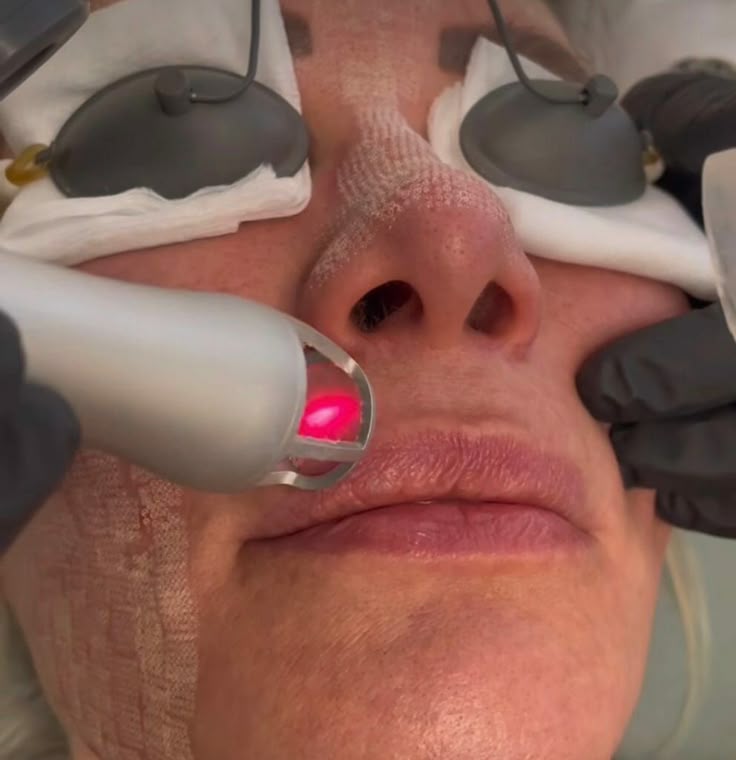
Laser technology has transformed manufacturing, engraving, fabrication, and customization industries. Among the most popular options available today are CO2 lasers and fiber lasers. While both use concentrated light beams to cut, mark, or engrave materials, they operate differently and excel in different applications.
If you’re considering investing in a laser system, understanding the CO2 Laser Resurfacing in The Woodlands strengths and limitations of each technology can help you choose the best solution for your projects.
Understanding CO2 Lasers
CO2 lasers generate their beam using a gas mixture that primarily contains carbon dioxide. The resulting infrared light has a wavelength of approximately 10.6 micrometers.
These lasers have been widely used for decades in industries ranging from woodworking and sign-making to medical procedures and manufacturing.
Common CO2 Laser Applications
CO2 lasers are particularly effective for:
- Wood cutting and engraving
- Acrylic fabrication
- Leather processing
- Paper and cardboard cutting
- Fabric cutting
- Rubber stamp production
- Glass engraving
- Sign making
Because organic materials absorb the CO2 laser wavelength efficiently, these machines are often the preferred choice for creative and craft-based industries.
Understanding Fiber Lasers
Fiber lasers use optical fibers infused with rare-earth elements such as ytterbium to generate laser energy. Their wavelength is significantly shorter than that of CO2 lasers, typically around 1.06 micrometers.
This shorter wavelength allows fiber lasers to interact exceptionally well with metals and other highly reflective materials.
Common Fiber Laser Applications
Fiber lasers excel at:
- Metal engraving
- Metal marking
- Stainless steel cutting
- Aluminum processing
- Brass engraving
- Titanium marking
- Industrial manufacturing
- Serial number and barcode marking
Their efficiency and speed have made fiber lasers increasingly popular in industrial environments.
Material Compatibility
One of the most important factors when choosing between CO2 and fiber lasers is the type of material you intend to process.
CO2 Lasers Work Best With
- Wood
- Acrylic
- Leather
- Fabric
- Paper
- Cardboard
- Rubber
- Glass engraving
Fiber Lasers Work Best With
- Stainless steel
- Carbon steel
- Aluminum
- Brass
- Copper
- Titanium
- Precious metals
If your projects primarily involve wood, acrylic, or other non-metal materials, a CO2 laser is usually the better choice. If you work mostly with metals, a fiber laser will likely provide superior results.
Cutting Performance
CO2 Laser Cutting
CO2 lasers are excellent for cutting non-metallic materials cleanly and efficiently. They produce smooth edges on wood, acrylic, and plastics, making them ideal for decorative and custom fabrication work.
Fiber Laser Cutting
Fiber lasers offer exceptional cutting speed on metal sheets. Their concentrated beam allows them to cut thin and medium-thickness metals quickly while maintaining high precision.
For metal fabrication shops, fiber lasers often provide a significant productivity advantage.
Engraving Quality
Both technologies can produce highly detailed engravings, but their strengths differ.
CO2 Engraving
CO2 systems create beautiful engravings on:
- Wood signs
- Leather products
- Acrylic awards
- Personalized gifts
- Glassware
Fiber Engraving
Fiber systems excel at:
- Deep metal engraving
- Industrial markings
- QR codes
- Barcodes
- Logos on metal components
The choice depends largely on the materials you plan to personalize.
Speed and Efficiency
Fiber lasers generally operate more efficiently than CO2 systems.
Benefits of fiber lasers include:
- Faster marking speeds
- Lower energy consumption
- Reduced operating costs
- Longer component lifespan
CO2 lasers remain highly capable, but they typically consume more power and may require more maintenance over time.
Maintenance Requirements
CO2 Laser Maintenance
CO2 systems usually require:
- Mirror cleaning and alignment
- Lens maintenance
- Laser tube replacement after extended use
- Cooling system upkeep
Fiber Laser Maintenance
Fiber lasers have fewer moving optical components and often require:
- Minimal alignment
- Less frequent maintenance
- Longer operating life
This lower maintenance burden is one reason many industrial users favor fiber technology.
Initial Investment
Cost is often a deciding factor.
CO2 Lasers
Advantages include:
- Lower entry-level pricing
- Wide availability
- Affordable hobby and small-business options
Fiber Lasers
Advantages include:
- Superior industrial performance
- Long-term operational savings
- Greater productivity for metal applications
Although fiber lasers often have a higher initial cost, their efficiency and durability can offset the investment over time.
Workspace and Industry Considerations
Choose a CO2 Laser If You:
- Run a sign-making business
- Create personalized gifts
- Work with wood and acrylic
- Produce craft products
- Focus on non-metal materials
Choose a Fiber Laser If You:
- Manufacture metal components
- Need permanent industrial markings
- Process stainless steel or aluminum
- Require high-speed production
- Focus primarily on metal engraving or cutting
Emerging Hybrid Workflows
Many businesses now use both technologies.
For example:
- A sign company may use a CO2 laser to cut acrylic panels.
- The same company may use a fiber laser to engrave metal nameplates.
As production needs expand, combining both systems can offer maximum versatility.
Final Thoughts
The choice between a CO2 laser and a fiber laser ultimately depends on your materials, production goals, and budget. CO2 lasers remain the preferred option for wood, acrylic, leather, and other non-metal materials, while fiber lasers dominate metal cutting and engraving applications.
By carefully evaluating the types of projects you plan to undertake, you can invest in a laser system that delivers the performance, efficiency, and results your work demands. Whether you’re a hobbyist, entrepreneur, or industrial manufacturer, selecting the right laser technology is a crucial step toward long-term success.
