


The world of agriculture is rapidly evolving, and with the advent of technology, farmers are now able to make more informed and precise decisions than ever before. One of the most transformative innovations in recent years has been the use of Global Navigation Satellite Systems (GNSS). These systems, which include GPS and other satellite-based technologies, are playing a pivotal role in revolutionizing precision agriculture. In this article, we explore how GNSS system are shaping the future of farming and driving productivity, sustainability, and efficiency.
Understanding GNSS Systems in Agriculture
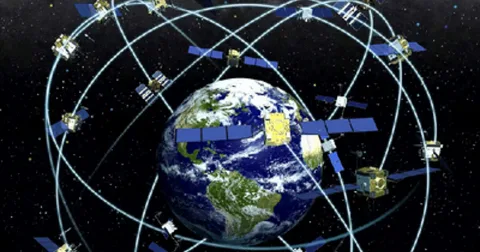
Before diving into the impacts of GNSS on agriculture, it’s important to understand what GNSS systems are. GNSS refers to a group of satellite constellations that provide geo-positioning services. The most well-known GNSS system is the Global Positioning System (GPS), but there are also other systems like the Russian GLONASS, European Galileo, and Chinese BeiDou.
In the context of precision agriculture, GNSS systems use these satellites to provide farmers with highly accurate location and time data. This technology enables precise mapping of fields, crop monitoring, and more efficient management of resources.
The Role of GNSS in Precision Agriculture
Precision agriculture refers to farming practices that use detailed data to optimize field-level management regarding crop production. GNSS systems are at the heart of these practices, allowing farmers to make real-time decisions based on highly accurate spatial data. Below are some of the key ways GNSS is revolutionizing precision agriculture:
1. Improved Field Mapping and Boundary Definition
GNSS technology allows farmers to create detailed field maps with centimeter-level accuracy. These maps are essential for understanding soil conditions, crop health, and yield patterns. Accurate field boundaries help farmers define the exact area to be treated, ensuring that inputs such as fertilizers, pesticides, and water are applied efficiently and only where needed.
2. Optimizing Planting and Harvesting
GNSS systems enable farmers to use auto-steering technology in tractors and harvesters, allowing for precise planting and harvesting. With real-time guidance systems, equipment can follow predetermined paths with little to no overlap, leading to reduced fuel consumption, minimized soil compaction, and more efficient use of resources. This precision ensures uniform crop growth and maximizes yield.
3. Variable Rate Application (VRA)
Variable Rate Application is one of the most significant advances in precision agriculture, and GNSS systems play a crucial role. By using spatial data collected from GNSS-enabled sensors and GPS, farmers can apply different amounts of inputs (fertilizers, herbicides, etc.) depending on the specific needs of various parts of the field. This reduces waste and increases both environmental sustainability and profitability. By minimizing input usage and maximizing crop output, VRA is transforming farm management practices.
4. Real-time Data for Better Decision Making
GNSS systems provide real-time data about a farmer’s field conditions, which can be integrated with other technologies like remote sensing tools and drones. By analyzing this data, farmers can monitor soil health, track weather patterns, and even predict future crop yields. This wealth of information allows farmers to make more informed decisions about irrigation schedules, pest control, and harvesting times.
Benefits of GNSS Systems in Agriculture
The widespread adoption of GNSS systems is providing numerous benefits to farmers, including:
1. Increased Efficiency
By automating processes like planting, spraying, and harvesting, GNSS technology reduces the need for manual labor and increases overall efficiency on the farm. The precise application of resources leads to reduced waste, lower input costs, and increased operational efficiency.
2. Sustainability and Environmental Protection
GNSS-based precision farming practices minimize the overuse of fertilizers and pesticides, helping to protect the environment and improve sustainability. By targeting specific areas of the field that require treatment, farmers can reduce runoff and minimize their environmental footprint.
3. Cost Reduction
With GNSS systems, farmers can maximize their return on investment by using fewer resources. Less waste, lower fuel consumption, and reduced labor costs contribute to overall cost savings. Additionally, precise field mapping allows farmers to avoid overapplying chemicals or seeds, which can be expensive.
4. Enhanced Yields
With the ability to monitor crop health and apply inputs more accurately, GNSS systems help farmers achieve higher yields and better-quality crops. The ability to track and respond to changing conditions in real time ensures that crops are always given the best possible care.
Challenges and Future Directions
While GNSS technology is undoubtedly revolutionizing agriculture, it’s not without challenges. The initial investment in GNSS-enabled equipment can be costly, especially for smaller farms. Furthermore, connectivity issues in rural areas or fields with poor satellite visibility can sometimes hinder the full effectiveness of GNSS systems.
However, as the technology becomes more affordable and reliable, and as satellite networks continue to improve, these challenges will likely be mitigated. The future of precision agriculture looks bright, with ongoing advancements in GNSS and complementary technologies such as artificial intelligence, machine learning, and big data analytics.
Conclusion
How GNSS systems are revolutionizing precision agriculture is a story of increased efficiency, sustainability, and productivity. By providing accurate, real-time data, GNSS technologies are helping farmers optimize crop production, reduce environmental impact, and increase profitability. As the technology evolves and becomes more accessible, the potential for GNSS in agriculture will continue to expand, driving a new era of farming that is smarter, more sustainable, and more productive than ever before.
